How to Choose a Heavy Duty Paper Punch
In the modern corporate world, where digital transformation is the norm, the physical document remains a cornerstone of legal, educational, and administrative operations. Whether it is a 50-page legal brief, a thick training manual, or a stack of financial reports, the way these documents are presented reflects a company’s professionalism.
However, many offices struggle with a common, frustrating bottleneck: the standard hole punch. We have all been there—trying to force a 30-page stack into a 10-page punch, resulting in jammed mechanisms, jagged edges, and misaligned holes. This is where the heavy duty paper punch steps in. But choosing the right one requires more than just looking at the price tag. As a professional stationery manufacturer with over a decade of experience, Ningbo Basy presents this comprehensive guide to help procurement managers and distributors make the right choice.
1. Understanding Punching Capacity: The "60-Sheet" Standard
The most critical factor in choosing a heavy-duty punch is its sheet capacity. While a standard office punch handles 10–20 sheets, a professional-grade tool must do more.
In the B2B market, the 60-sheet paper punch has emerged as the "sweet spot" for several reasons:
- Versatility: It handles everything from a single sheet to a thick report without requiring excessive force.
- Efficiency: It reduces the number of "sub-stacks" a worker needs to punch for a large binder, cutting document preparation time by 60%.
- Durability: Tools designed for 60 sheets are built with internal components that far outlast light-duty plastic alternatives.
When evaluating capacity, always check if the rating applies to standard 80gsm paper. A high-quality punch from a reputable manufacturer like Ninghai Haibei Factory ensures that 60 sheets mean a clean cut, not a struggle.
2. The Science of the Cutter: Hollow vs. Solid
Not all holes are created equal. The secret to a "butter-smooth" punch lies in the cutting heads.
- Hollow Drill Cutters: Premium heavy-duty punches utilize hollow, sharpened steel cylinders. As they press down, the paper "chips" are pushed up through the center of the cutter and into a waste tray. This technology allows for much higher sheet counts and requires significantly less pressure.
- Steel Hardness: Look for cutters made from high-carbon hardened steel. These maintain their edge for over 10,000 cycles. If the cutters are dull, they will tear the paper instead of slicing it, leading to professional-looking documents appearing amateurish.
3. Ergonomics: The Power of Leverage
Punching through 60 sheets of paper involves significant physical resistance. Without proper ergonomic design, repetitive use can lead to hand strain or even workplace injuries.
Look for a Power-Assist Lever Design. A longer, reinforced handle acts as a lever, multiplying the force exerted by the user. At Ningbo Basy, our heavy-duty series is engineered to provide 40% less effort than traditional models. This is achieved through precision-aligned pivot points and an ergonomic handle grip that fits comfortably in the palm, ensuring that even a full day of document binding remains effortless.
4. Precision Alignment: The Importance of the Guide Bar
A hole punch is useless if the holes are not in the same place on every page. For a professional finish, alignment is everything.
- Adjustable Paper Guides: Ensure the punch features a sturdy, lockable guide bar with clear markings for A4, A5, B5, and Letter sizes.
- Centering Mechanisms: Higher-end models often include a self-centering feature that ensures the holes are perfectly equidistant from the edges of the paper, regardless of the paper size.
5. Construction Quality: Stability and Waste Management
A heavy-duty tool needs a heavy-duty base. Lightweight punches tend to slide or tip over when pressure is applied to the handle.
- Metal Base: A reinforced metal base provides the necessary weight for stability.
- Non-Slip Rubber Padding: High-quality punches feature a full rubberized base or non-slip feet to protect the desk surface and prevent the tool from moving during operation.
- Waste Management: High-capacity punching produces a lot of paper "confetti." A large, easy-to-open waste tray is essential. Look for "flip-open" or "slide-out" trays that stay securely attached but are simple to empty without making a mess.
6. The B2B Sourcing Perspective: Why the Manufacturer Matters
For importers and stationery distributors, the brand is only as good as the factory behind it. When sourcing a heavy duty paper punch, consider the following "Supplier Checklist":
- Manufacturing Scale: Does the supplier have a dedicated facility? (e.g., Ningbo Basy operates a 3,000sqm factory).
- Quality Control (QC): Ask for evidence of ISO9001 or BSCI certifications. This ensures consistency across thousands of units.
- OEM/ODM Flexibility: Can they customize the color, logo, and packaging to suit your local market?
- Export Experience: Working with a partner who understands the logistics of South American, European, and Asian markets is invaluable for on-time delivery.
Final Thoughts
Choosing a heavy-duty paper punch is an investment in office productivity. By focusing on 60-sheet capacity, ergonomic leverage, and high-carbon steel cutters, you ensure that your team has the tools they need to succeed.
At Ningbo Basy Stationery, we are more than just a manufacturer; we are your strategic partner in the office supplies industry. From our 3,000sqm production base in Ninghai, we combine engineering excellence with professional B2B service to deliver the world’s most reliable stationery tools.
Ready to upgrade your stationery catalog? Explore our full range of heavy-duty punches and office fasteners today.
🌐 Website: https://www.ningbobasy.com 📧 Bulk Inquiries:sales01@cnbasy.com 🏭 Factory: Ninghai Haibei Stationery Co., Ltd.


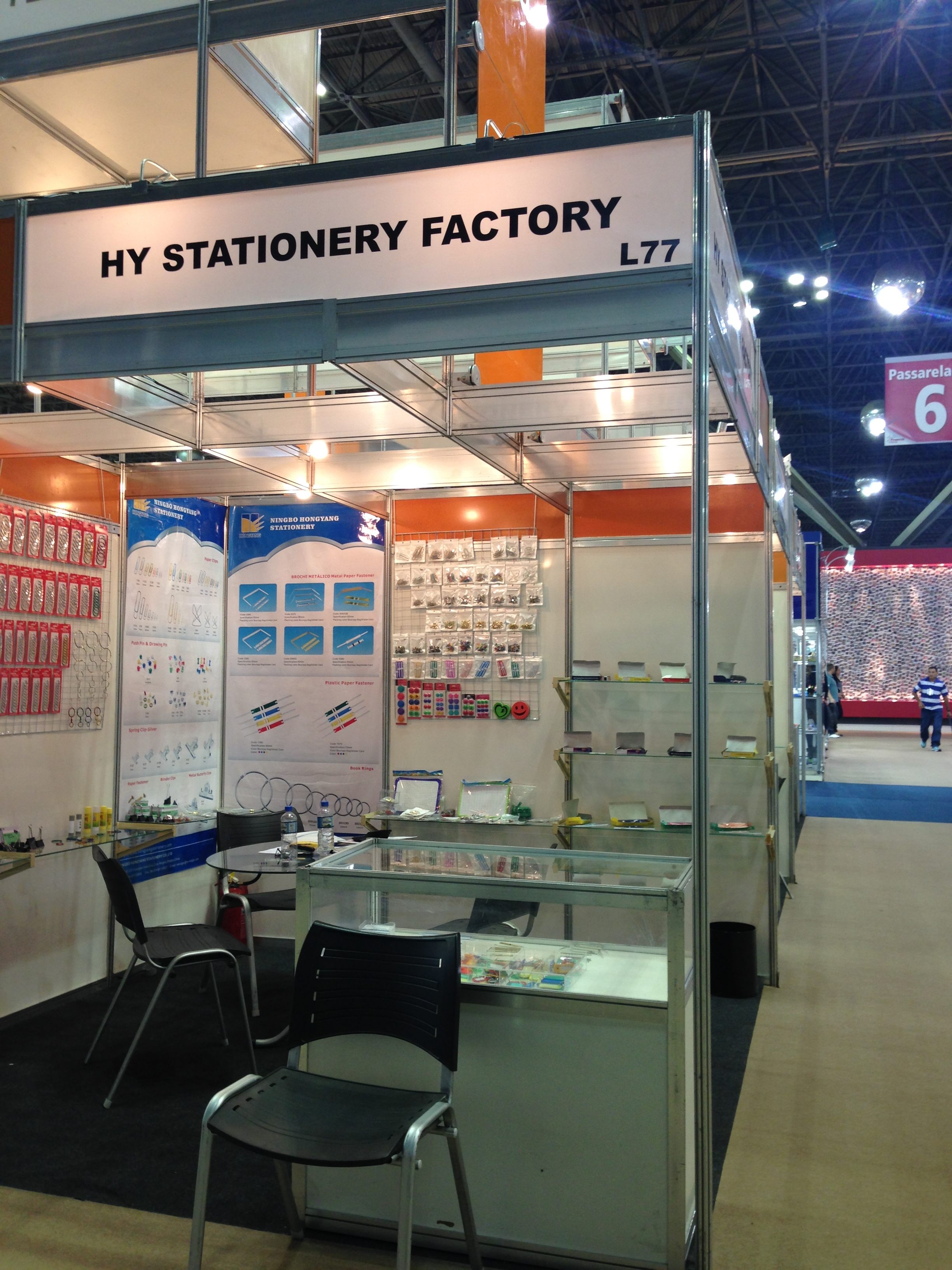
Ningbo Basy participated in the 138th China Import and Export Fair (Canton Fair)